How Often Should You Clean Your Fireplace Chimney
Do you catch the faint scent of a campfire in your living room, even when the hearth is cold? That isn’t just a cozy reminder of last winter; it is often your chimney flue asking for attention. Think of the system like a kitchen exhaust fan. Over time, a sticky substance called creosote builds up on the walls just like old grease. This flammable byproduct turns a source of comfort into a potential hidden hazard.
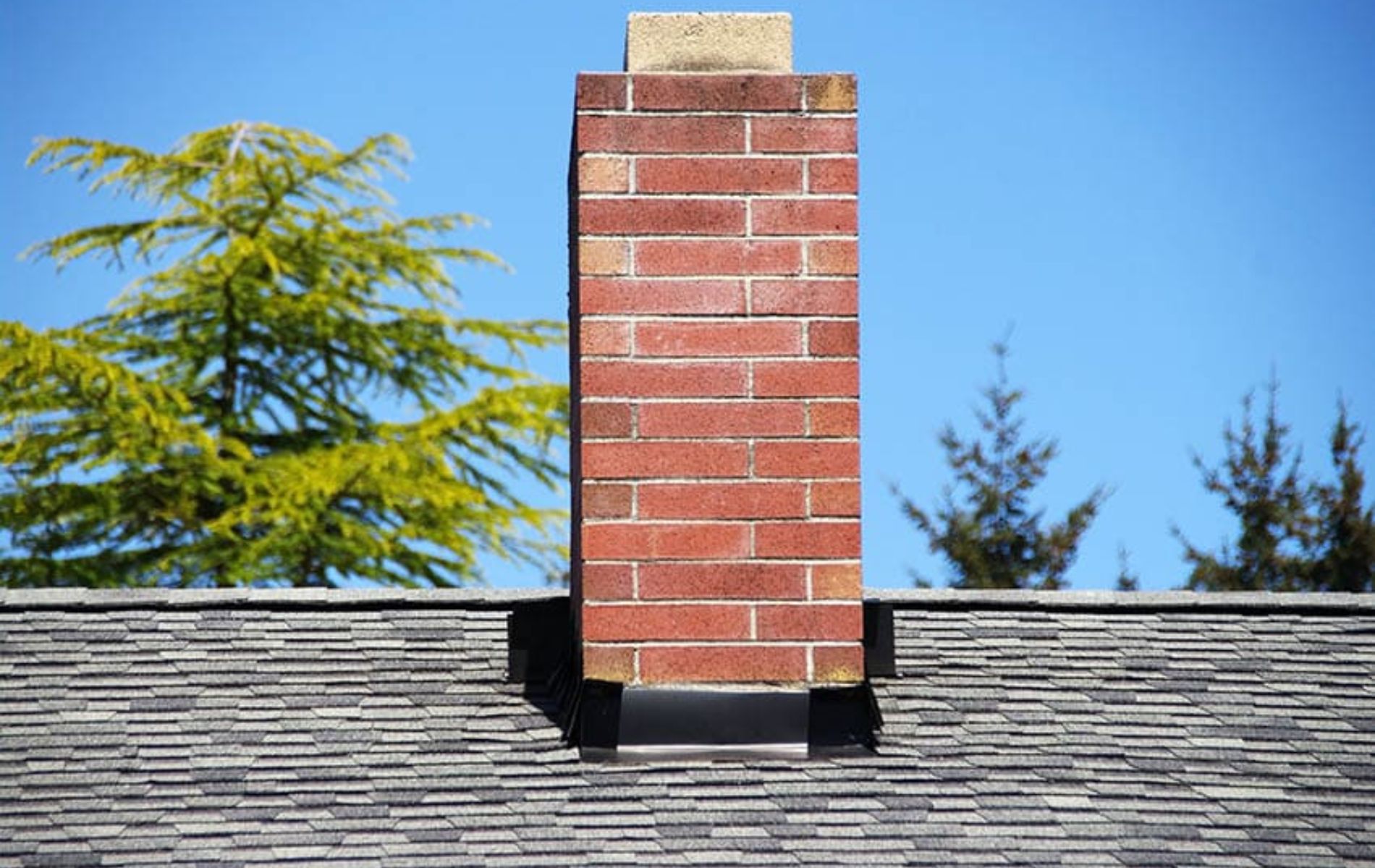
Determining how often to clean your fireplace chimney depends on usage, but safety experts provide a clear baseline. According to the National Fire Protection Association (NFPA), every system needs an inspection at least once a year. This annual check ensures that animals haven’t nested inside and that the structure is safe before you strike that first match.
While inspections are annual, actual scrubbing is triggered by the depth of the buildup. Industry standards typically recommend a cleaning when soot reaches just 1/8 of an inch thick—roughly the width of a nickel. Ignoring this layer restricts airflow, making your specific cleaning frequency the key to lasting home safety.
The Rule of Thumb vs. Reality: Finding Your Personal Cleaning Schedule
While standard safety guidelines suggest an annual check, your specific chimney cleaning schedule should actually depend on how often you light a match. Think of it like changing the oil in your car; maintenance is determined by “mileage,” not just the calendar date. If you wait a full year while burning wood every single night, you create a dangerous window where buildup can go unnoticed.
For active households, the “50-fire threshold” is a smarter metric than a simple yearly reminder. Once you have enjoyed roughly 50 fires—or burned about a face cord of wood—there is often enough residue to create a 1/8th-inch layer of glaze inside the flue. This thickness is the tipping point where fuel buildup transforms from a dirty annoyance into a genuine fire hazard.
Adjusting your maintenance schedule based on usage intensity ensures you aren’t ignoring risks or overpaying for service:
- Occasional Ambiance (1-2x/week): An annual professional inspection is usually sufficient.
- Regular Comfort (3-5x/week): Schedule a cleaning once a year, but visually check the flue mid-season.
- Primary Heat Source: Requires a mid-winter sweep plus a post-season deep clean.
Surprisingly, even a completely dormant system needs a yearly look before you strike a match. Birds and squirrels view unused chimneys as perfect hollow trees for nesting, creating blockages that can force dangerous fumes back into your living room. Once you verify the airflow is clear, you need to understand the texture of the residue itself.
From Soot to Sludge: Identifying the 3 Dangerous Stages of Creosote
Most homeowners assume the black dust lining their flue is just harmless ash. In reality, as wood smoke cools near the top of your chimney, it condenses into creosote—a highly flammable byproduct that acts as a concentrated fuel source. This substance doesn’t just get thicker; it actually changes chemical structure over time, hardening into forms that standard brushes cannot remove.
As layers accumulate and bake under the heat of subsequent fires, the residue progresses through three distinct creosote buildup stages:
- Stage 1 (Sooty): A soft, velvety dust that is easily brushed away during a standard sweep.
- Stage 2 (Crunchy): A flaky, porous buildup resembling hard foam or cornflakes, requiring stiff scraping tools to dislodge.
- Stage 3 (Glazed): A hard, shiny layer that looks like poured tar or black candy, which is virtually impossible to remove without industrial chemical treatments.
![A close-up view of a chimney interior showing the difference between flaky Stage 2 creosote and shiny, tar-like Stage 3 glazed creosote.]
The presence of that shiny, tar-like glaze transforms your chimney into a latent engine for combustion. Because Stage 3 creosote is dense and oil-heavy, it burns significantly hotter and longer than wood, often leading to the terrifying roaring sound that characterizes the classic signs of a chimney fire. Consequently, removing dangerous glazed creosote is never a DIY project; attempting to chip it away with a poker can crack the masonry liner, leaving the home’s structure vulnerable to extreme heat.
Identifying these textures early prevents the transition from a simple cleaning bill to a major restoration project. With the type of residue identified, you next need to know how to safely inspect it.
The ‘Flashlight and Poker’ Test: 4 DIY Signs Your Chimney is Full
You don’t need specialized equipment to catch buildup before it becomes dangerous; often, a strong flashlight and a standard metal fire poker are sufficient tools for a preliminary check. With a completely cold fireplace, open the damper and shine your light up into the smoke chamber. Reach up with the poker and scratch the black surface on the chimney wall. If you uncover the masonry liner immediately, you are likely safe, but if your scratch leaves a groove deeper than 1/8th of an inch, you have crossed the threshold for safe operation. This tactile test is often more accurate than a generic calendar schedule.
Airflow behavior provides the second critical clue regarding the state of your flue. Think of your chimney like a drinking straw; as creosote residue thickens the walls, the opening shrinks, making it harder for exhaust to be pulled upward. This restriction causes “smoke rollback,” where puffs of smoke billow into your living room instead of rising up the flue. Additionally, if you find yourself wondering why your fireplace smells like a campfire even on humid, rainy days when no fire is burning, the culprit is likely acidic creosote absorbing moisture and off-gassing distinct odors into your home.
Before lighting your next fire, run through this quick diagnostic checklist to ensure your system is breathing correctly:
- The Scratch Test: Is the buildup thicker than 1/8th of an inch?
- The Odor Check: Is there a sour, asphalt-like smell coming from the hearth?
- Smoke Rollback: Does smoke spill out the top of the firebox upon lighting?
- Debris Drops: Do you see black flakes or soot piles falling onto your grate?
While spotting these signs is crucial for safety, minimizing them actually starts out at the woodpile.
Why Your Wood Pile is the Secret to a Cleaner Flue
Preventing buildup is far easier than removing it, and the quality of your fuel is the single biggest factor in how fast your chimney gets dirty. When you throw “green” (freshly cut) logs onto the grate, the fire wastes significant energy boiling off water before it can actually burn the wood. This process creates cooler, heavier smoke that condenses rapidly on the flue walls, creating a dangerous mixture of wood moisture and creosote.
Recognizing ready-to-burn fuel doesn’t require scientific tools, though knowing what to look for is essential. Proper “seasoned” wood will have darkened, grey ends and visible radial cracks—called “checks”—splitting from the center. If you knock two pieces together and hear a dull thud rather than a sharp ring, the wood is likely too wet, which is the enemy of improving fireplace heating efficiency.
![Image: A hand holding a digital moisture meter against a split log showing a reading of 18%.]
Not all fuel affects your chimney equally. Keep this comparison in mind for your routine maintenance:
- Seasoned Hardwood (Oak/Maple): Burns hot and clean; produces minimal creosote.
- Green Softwood (Pine/Spruce): High sap content burns cool and smoky; rapidly accelerates buildup.
- Treated or Painted Wood: Never burn this; it releases toxic chemicals and heavy metals into your home.
Even with the perfect wood pile, the soot eventually settles. You must then decide whether a DIY effort is enough to clear it out or if you need to call in the cavalry.
Professional CSIA Sweeps vs. DIY: What You Get for Your Money
While dragging a rental brush through your chimney might dislodge the obvious soot, true safety requires trained eyes. The debate between professional chimney sweeping and DIY isn’t just about cleanliness; it is about recognizing hazards that a layperson would simply miss. Hiring a technician with a CSIA certified chimney sweep badge ensures the person on your roof understands complex building codes and fire dynamics, offering a level of diagnostic expertise that a simple weekend cleaning cannot provide.
Most standard appointments include a Level 1 inspection, which covers the readily accessible portions of your system using a flashlight and visual check. However, if you have experienced a chimney fire, are buying a new home, or are changing fuel types, you need a Level 2 inspection. This deeper dive utilizes specialized video scanning technology to crawl the interior length of the stack, revealing hidden cracks or gaps during a chimney flue liner inspection that could otherwise allow dangerous heat to transfer to your home’s wooden frame.
Investing in professional care adds to the annual chimney inspection cost, yet the expense pales in comparison to the price of fire damage or carbon monoxide intrusion. A certified pro doesn’t just sweep; they verify that the system is structurally sound enough to contain a fire rather than spread it. Once you have committed to these professional safety standards, the next step is locking in an appointment before the autumn rush makes finding a slot impossible.
Strategic Scheduling: Why Summer is the Best Time for Maintenance
Most homeowners wait until the first frost to think about their cleaning schedule, creating a bottleneck known in the industry as the “October Rush.” By that time, certified sweeps are often booked weeks in advance, leaving you waiting in the cold. Scheduling your appointment in late spring or summer ensures you get your preferred time slot and guarantees your system is ready safely before you ever strike a match.
Warm weather brings another surprising reason to clean early: odor control. High summer humidity interacts with the acidic creosote inside a dirty flue, often triggering a sour, stale campfire smell that permeates the home. Following these maintenance tips and removing the buildup before the humid season peaks eliminates the source of the stench entirely.
Booking between May and August is arguably the best time of year to clean fireplace systems for three key reasons:
- Availability: Avoid the stress of long autumn wait times.
- Odor Prevention: Stop humidity from turning soot into a household smell.
- Repair Buffer: Address masonry repairs before winter weather makes roof work dangerous.
While wood burners clearly benefit from summer attention, many owners assume gas units can be ignored indefinitely, a misconception that hides different but equally serious risks.
The Gas Fireplace Myth: Why ‘No Wood’ Doesn’t Mean ‘No Maintenance’
It is easy to assume that because you aren’t hauling logs or sweeping up ash, your system is self-cleaning. However, the answer to whether gas fireplaces need chimney cleaning is a definite yes, though the priority shifts from scrubbing soot to ensuring clear venting. Gas logs produce corrosive byproducts that can slowly degrade the inner lining of your flue. Without a structural check, invisible dangers like carbon monoxide can silently seep back into your living room instead of venting safely outside.
![A simplified illustration showing a bird’s nest blocking the top of a chimney cap.]
Nature often mistakes an inactive gas flue for a perfect hollow tree, making removing animal nests from chimney systems one of the most common service calls for gas units. A single bird’s nest or pile of autumn leaves can block the exit completely, effectively corking the exhaust pipe. Because these biological blockages often occur silently during the off-season, experts recommend a yearly inspection for gas setups to catch these surprises before you turn the dial, setting the stage for a consistent safety routine.
Your 12-Month Chimney Safety Roadmap
You no longer need to guess about how often you should clean your fireplace chimney. By recognizing the visible signs of creosote and understanding the value of annual inspections, you have turned a hidden fire hazard into a manageable part of your home care routine.
Keep your home safe and efficient year-round with this simple plan:
- Spring: Close the damper tight to block out humidity and pests.
- Summer: Schedule your professional sweep now to avoid the autumn rush.
- Fall: Inspect the chimney cap and check the firebox before the first lighting.
- Winter: Monitor soot depth and remove ash weekly during periods of heavy use.
Adopting a proactive wood burning fireplace maintenance schedule is the best investment you can make in your family’s protection. A clean flue doesn’t just ensure a better draft; it provides the peace of mind necessary to truly relax by the fire this winter.