What Is The Best Gutter System For A House
Gutters play a crucial role in protecting your home. They direct rainwater away from the foundation, preventing water damage. Choosing the right gutter system is essential for maintaining your home’s integrity.
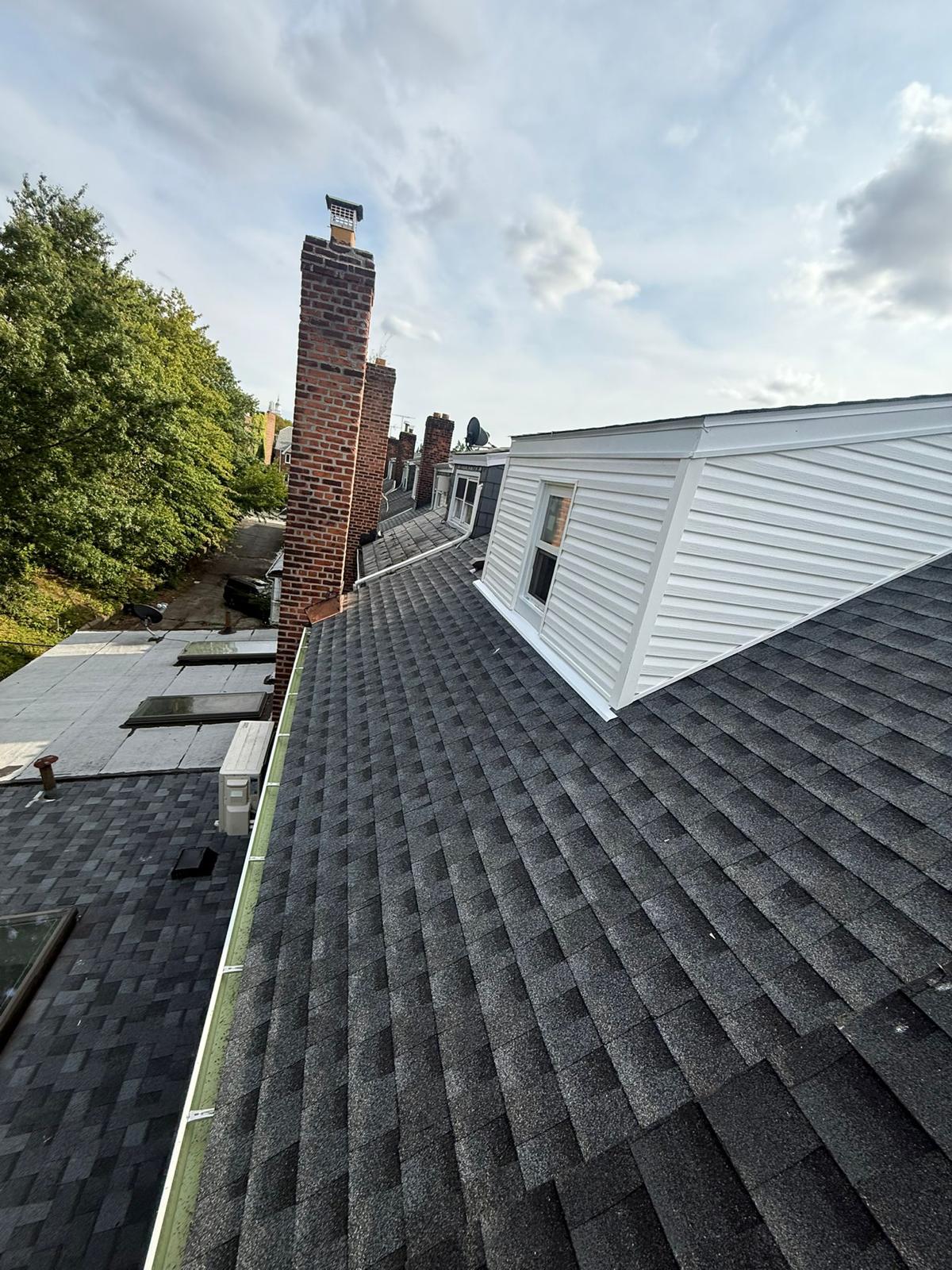
But what is the best gutter system for a house? The answer depends on several factors. Climate, roof type, and budget all influence the decision.
There are many house gutter options available. Each comes with its own set of pros and cons. From aluminum to copper, the material choice impacts durability and cost.
Seamless gutters are popular for their custom fit and reduced leak potential. K-style gutters are favored for their decorative look and efficiency.
Gutter guards can minimize maintenance by preventing debris buildup. Proper installation and regular upkeep are key to a long-lasting system.
This guide will explore top gutter systems and provide gutter installation tips. We’ll also review quality gutter systems to help you make an informed choice.
Why Gutters Matter: Protecting Your Home
Gutters are more than just an add-on to your roofline. They are a crucial defense against water damage. By channeling rainwater away, they protect your home’s foundation.
Without gutters, water can erode your home’s base. This can lead to severe structural issues over time. Protecting your home involves choosing the right gutters.
Water that pools around a home’s base can lead to basement flooding. Gutters prevent this by redirecting water safely away. This reduces the risk of expensive repairs.
Here are reasons gutters matter:
- Prevent soil erosion around foundation
- Protect landscaping from water damage
- Prevent basement flooding
- Protect siding and paint from water damage
In summary, gutters save you from costly home repairs. They are essential in maintaining a home’s structural integrity and curb appeal.

How Gutters Work: The Basics Explained
Gutters function by capturing rainwater from your roof. They then channel it through a series of strategically placed downspouts. This process effectively guides the water away from your home’s foundation.
A gutter system includes several key components. The main parts are the gutters themselves, downspouts, and hangers. Each component plays a role in ensuring efficient water flow.
Water flows along the gutter troughs. It is directed to the downspouts, which ensure controlled release away from the house. Proper sloping and placement are vital for efficient drainage.
Key components include:
- Gutter troughs
- Downspouts
- Hangers
- End caps
Understanding these basics helps in choosing a fitting gutter system. Effective gutters protect and enhance your home’s lifespan.
Do All Homes Need Gutters?
Not every home requires gutters. However, most do benefit from having them. Gutters are crucial in areas with frequent rainfall or snow. They prevent water from damaging foundations and landscaping.
Homes with steep roofs may not need gutters as much. The slope allows water to run off quickly and naturally. In arid regions, gutters may not be as essential but are still useful during the occasional downpour.
It’s important to evaluate your home’s specific needs. This includes considering your local climate and your roof’s design. Consulting with a professional can help you make the best decision for your property.
Signs Your Gutters Need Replacing
Gutters can show visible wear over time. Recognizing when to replace them is vital for house upkeep.
One common sign is visible cracks or splits. Water leaks through these, damaging walls and foundations.
Peeling paint or rust on gutters indicates neglect. These issues suggest the gutter may no longer protect your house.
If you notice water stains around the foundation, check the gutters. This can mean they’re overflowing or clogged.
Be on the lookout for gutter sagging or pulling away from the house. These signs point to improper water drainage.
Other clues include pooling water or mildew at the base of your home. With these signs, it might be time to consider new gutters.
Gutter Materials: Pros, Cons, and Best Uses
Choosing the right gutter material is crucial. Each type offers unique benefits and drawbacks.
Vinyl gutters are cost-effective and lightweight, suitable for DIY projects. However, they struggle in extreme temperatures.
Aluminum gutters are favored for their rust resistance and versatility. They’re lightweight and come in many colors.
Steel gutters are durable and withstand harsh weather. Yet, they can rust if not properly maintained.
Copper gutters are luxurious and add aesthetic value. They develop a beautiful patina over time.
Zinc gutters are durable and low maintenance. Their distinctive look appeals to those with unique tastes.
When selecting materials, consider climate, aesthetic, and budget. Each material offers different benefits.
Pros and Cons of Popular Gutter Materials
- Vinyl: Budget-friendly, but less durable in extremes.
- Aluminum: Rust-resistant, available in many colors.
- Steel: Strong, but needs maintenance to prevent rust.
- Copper: High-end, aesthetically pleasing, ages to patina.
- Zinc: Long-lasting, unique appearance, low maintenance.
Best Uses Based on Needs
- Budget-conscious homeowners: Vinyl or aluminum.
- Luxury or historic homes: Copper or zinc.
- Tough climates: Steel or aluminum.
Vinyl Gutters
Vinyl gutters are popular due to their low cost. They’re easy to install and handle.
However, vinyl may not be the best in areas with temperature fluctuations. It can become brittle over time.
For those in mild climates, vinyl remains a viable, economical choice.
Aluminum Gutters
Aluminum gutters are lightweight yet durable. They’re available in various colors, adding curb appeal.
Their rust-resistant nature makes them ideal in wet climates. They require little maintenance.
Aluminum is a balanced choice for many homeowners, combining durability with aesthetics.
Steel Gutters
Steel gutters are known for their strength. They withstand severe weather, providing solid protection.
While durable, steel needs regular maintenance to prevent rust. Protective coatings can help.
Steel is excellent for homes in areas prone to storms and heavy precipitation.
Copper Gutters
Copper gutters add a touch of luxury to any home. They are durable and develop a unique patina.
Over time, copper changes color, adding character. It’s virtually maintenance-free.
For those wanting durability and style, copper is an elegant and enduring choice.
Zinc Gutters
Zinc gutters offer longevity and low maintenance. They age beautifully, similar to copper.
These gutters provide a unique aesthetic, appealing to high-end tastes. Installation requires expertise.
Zinc suits homeowners seeking distinctive, durable gutter systems.
Gutter Styles: Which Shape Is Best?
Choosing the right gutter shape is essential for effective water management. Different styles offer various benefits.
K-style gutters are the most common. They resemble crown molding and handle more water efficiently.
Half-round gutters have a traditional look. Their curved design suits historic or classic homes.
Box gutters, also known as square gutters, offer a large capacity. They’re often used in commercial buildings.
Fascia gutters are built into the roof structure. They provide a sleek appearance, blending seamlessly.
Considerations for Selecting Gutter Styles
- Water Capacity Needs
- Home Aesthetic
- Installation Challenges
Popular Gutter Styles at a Glance
- K-Style: Modern, efficient, fits many styles.
- Half-Round: Traditional, visually appealing, ideal for historic homes.
- Box and Fascia: High capacity, integrated design.
Choosing a style depends on your home’s design and functionality needs. Consider the roof line and the amount of rainfall in your area.
K-Style Gutters
K-style gutters are a popular choice due to their efficient water handling. Their flat back allows easy fascia mounting.
These gutters mimic the look of crown molding, appealing to modern home aesthetics. They fit well with most house designs.
K-style gutters’ versatility and effectiveness make them a top choice for many homeowners. Their design enhances both function and style.
Half-Round Gutters
Half-round gutters lend a classic look to a home. Their smooth, curved surface helps reduce debris buildup.
Ideal for historic homes, their shape complements traditional architecture. Despite needing more support, their elegance is unmatched.
These gutters add charm and function, with an appeal that remains timeless. They are perfect for those who favor aesthetics with history.
Box and Fascia Gutters
Box gutters, typically larger, handle substantial water flow. Common in commercial applications, they suit robust building needs.
Fascia gutters, integrated into the roofline, offer seamless aesthetics. They require precise installation to prevent leaks.
For homeowners prioritizing a clean exterior appearance, fascia gutters provide a smooth, unblemished finish. These styles are effective and visually subtle.
Seamless vs. Sectional Gutters: What’s the Difference?
Seamless gutters have become increasingly popular for their innovative design and function. Made from a single piece of material, they minimize leaks compared to traditional sectional gutters.
In contrast, sectional gutters are composed of pre-cut sections joined together. These seams can develop leaks over time if not maintained properly.
Seamless gutters are custom-made on-site for perfect fit. They require professional installation, which adds to the initial cost but ensures durability.
Key Differences Between Seamless and Sectional Gutters
- Installation Process: Seamless requires professionals; sectional can be DIY.
- Leak Potential: Seamless has fewer leaks due to fewer joints.
- Cost Consideration: Seamless is more expensive upfront but lasts longer.
Selecting between these depends on budget and maintenance preference.
Gutter Guards and Add-Ons: Reducing Maintenance
Gutter guards are essential for minimizing debris buildup and easing maintenance. They act as a shield, preventing leaves and twigs from clogging gutters.
Several types of gutter guards are available, each with unique benefits. Some snap onto gutters, while others require professional installation.
Choosing the right guard depends on your home’s specific needs. Some homeowners prefer budget-friendly options, while others go for long-lasting quality.
Gutter add-ons like splash blocks and extensions further enhance water management. They direct water away from the foundation, adding an extra layer of protection.
Both guards and add-ons contribute significantly to gutter efficiency. This leads to reduced maintenance and increased lifespan.
Popular Gutter Add-Ons
- Splash Blocks: Direct water flow away from foundation.
- Extensions: Attach to downspouts for better water dispersion.
Types of Gutter Guards
There are several gutter guard types, each designed to tackle specific problems. Mesh guards are a popular choice due to their versatility and effectiveness.
Mesh guards sit atop gutters, filtering water through tiny holes while blocking larger debris. They are durable and compatible with various gutter types.
Foam inserts fit snugly inside gutters, allowing water through while blocking leaves. They are affordable but may require frequent cleaning.
Brush guards resemble pipe-cleaners and catch debris in their bristles. They are easy to install but may trap small twigs.
Key Types of Gutter Guards
- Mesh Guards: Durable and versatile.
- Foam Inserts: Cost-effective, need more maintenance.
- Brush Guards: Simple to install, less effective for small debris.
Sizing and Placement: Getting It Right
Choosing the correct size and placement for gutters is crucial. Proper sizing ensures that gutters can handle heavy rain without overflowing. This involves calculating the roof’s drainage area and slope.
Placement is equally important for efficient water flow. Gutters should be pitched slightly to guide water toward the downspouts. Incorrect placement can lead to water pooling and damage.
Downspouts also need careful consideration. They should be positioned to direct water away from the foundation, preventing potential water damage. Multiple downspouts may be necessary for larger homes.
Regular checks can confirm if your gutters are correctly sized and placed. Adjustments might be required after harsh weather conditions.
Essential Factors for Sizing and Placement
- Drainage Area: Calculate roof size for gutter capacity.
- Pitch: Ensure proper slope for effective drainage.
- Downspouts: Place strategically to prevent foundation damage.
Climate and Regional Considerations
Choosing the best gutter system involves understanding your local climate. Different weather patterns demand different gutter solutions.
In regions with heavy rain, large gutters and multiple downspouts may be necessary. They help handle the increased water volume efficiently. For snowy regions, consider heated gutter systems. These reduce the risk of ice dams.
Regions prone to strong winds need sturdy materials. Steel or aluminum gutters offer increased resilience and durability. Coastal areas can benefit from corrosion-resistant materials such as vinyl or copper.
Each region has unique challenges that impact gutter selection. Matching the gutter system to your local weather ensures optimal performance.
Key Considerations by Climate
- Heavy Rain: Large gutters, more downspouts.
- Snow: Heated systems prevent ice buildup.
- Wind: Durable materials like steel.
- Coastal: Opt for corrosion-resistant gutters.
Gutter System Reviews: Top Picks for 2024
Selecting the perfect gutter system can feel overwhelming. With numerous options available, knowing which stand out is crucial. Here, we review the top gutter systems of 2024, focusing on performance and durability.
Top Gutter Systems for the Year
- LeafGuard Gutter System: This system is favored for its built-in gutter guard, effectively reducing debris accumulation.
- Gutter Helmets: Known for its innovative design, it prevents clogs while allowing water to flow smoothly.
LeafGuard gutters are seamless, limiting leaks and enhancing structural integrity. The LeafGuard system, with its curved hood, keeps leaves out efficiently. It minimizes routine maintenance demands. However, professional installation is advisable.
Gutter Helmets boast an advanced surface tension design. This feature ensures only water enters the gutter, while debris is deflected away. This system is ideal for homes surrounded by trees.
Key Features to Look For
- Seamless design to prevent leaks.
- Built-in guards to reduce clogs.
- Durable material for long-term use.
Despite the initial cost, these systems provide long-term savings. Investing in such quality ensures reduced maintenance needs. It also prevents potential water damage to your home’s foundation.
Comparing House Gutter Options: What to Consider
When selecting the best gutter system for a house, several factors demand attention. Each home requires a tailored approach based on various needs.
Material affects longevity and maintenance. Vinyl suits tight budgets but struggles in extreme conditions. Copper, though pricey, stands out for durability.
Design and style impact both appearance and function. Decide between seamless and sectional designs based on leak risk. K-style gutters offer decorative advantages, while half-round styles appeal to traditional tastes.
Climate considerations are pivotal. Areas with heavy snow benefit from robust materials like steel, preventing sagging and damage.
Essential Points
- Material: Vinyl, aluminum, steel, copper.
- Style: K-style, half-round.
- Climate Impact: Snow load, rainfall.
By evaluating these factors, homeowners make informed decisions.
Gutter Installation Tips: DIY vs. Professional
Installing gutters requires careful planning and precision. Choosing between DIY and professional installation impacts both cost and effectiveness.
DIY installation can be cost-effective but requires time and tools. Homeowners taking this route should ensure safe ladder use and accurate measurements. It’s crucial to check alignment regularly during installation.
Professional installers offer expertise and speed. They guarantee secure attachment and proper slope for optimal water drainage. This option reduces the risk of errors but comes with higher costs.
Consider factors such as the complexity of your roofline and personal expertise level. Simple layouts can be tackled by confident DIYers, while intricate designs may demand professional attention.
DIY Installation Tips
- Invest in quality tools.
- Double-check all measurements.
- Ensure proper safety precautions.
Professional Installation Advantages
- Swift and precise execution.
- Minimized risk of future leaks.
- Warranties for peace of mind.
Choosing the right installation approach balances cost, confidence, and the potential for long-term benefits.
Maintenance and Longevity: Keeping Gutters Working
Regular maintenance is crucial for ensuring your gutters last. Routine checks prevent minor issues from becoming costly repairs.
Cleaning gutters of leaves and debris is essential. Clogged gutters lead to water overflow and damage. Schedule cleanings in both spring and fall to address seasonal debris.
Inspect your gutter systems for any leaks or damage. Prompt repairs ensure efficient water flow. Watch for sagging sections that may indicate a need for realignment or replacement.
Consider installing gutter guards to reduce debris buildup. These add-ons minimize maintenance efforts and protect your gutters year-round.
Essential Maintenance Tasks
- Clean gutters bi-annually.
- Check for leaks and cracks.
- Ensure secure attachment and proper slope.
By adhering to these maintenance tips, your gutters can serve your home effectively for many years.
Cost Breakdown: What to Expect
The cost of installing a gutter system varies widely. Factors include material choice, house size, and installation complexity. Understanding these can help you budget effectively.
Material choice greatly affects costs. Vinyl gutters are affordable but may need more upkeep. Aluminum offers a balance between cost and durability. Copper and zinc are pricier, adding elegance and longevity.
Consider the installation costs, too. While DIY can save money, professional installation ensures quality. Hidden expenses, like tools or safety gear, can add up for DIY projects.
Typical Gutter Cost Components
- Materials: Vinyl, aluminum, copper, zinc.
- Installation: DIY or professional.
- Additional features: Gutter guards or custom designs.
Budgeting wisely leads to a quality gutter system that fits your financial plan.
Frequently Asked Questions About Home Gutters
Homeowners often have many questions when choosing gutters. Below, we address some of the most common inquiries.
How often should gutters be cleaned? It is recommended to clean gutters twice a year, especially after fall and spring. Doing so helps prevent clogs and water damage.
Are gutter guards worth the investment? Gutter guards reduce maintenance by preventing debris buildup. They can be especially useful in homes surrounded by trees.
What’s the lifespan of a typical gutter system? Gutters can last 20-30 years, depending on material and maintenance. Regular checks and cleaning help extend this lifespan.
Do gutters add value to a home? Yes, quality gutter systems can enhance curb appeal and prevent costly water damage.
Common Home Gutter Queries
- How often to clean?
- Are guards necessary?
- Lifespan expectations?
- Value addition?
- DIY vs. professional installation?
Understanding these points aids in making smart decisions about your home’s gutter system.
Conclusion: Choosing the Best Gutter System for Your House
Selecting the ideal gutter system demands careful thought. Consider your climate, house design, and budget to make an informed choice. A well-chosen system effectively directs water away, safeguarding your home’s integrity.
Investing in a quality gutter system now can prevent costly repairs later. Proper installation and maintenance further ensure your investment lasts. An experienced professional can aid in selecting the perfect system.
Remember, the best gutter system aligns with your specific needs. Whether you opt for seamless, sectional, or traditional styles, the right choice will enhance both functionality and appearance.