How To Find A Roof Leak
Roof leaks can be a homeowner’s nightmare. They often lead to costly repairs and water damage. Identifying a leak early can save you time and money.
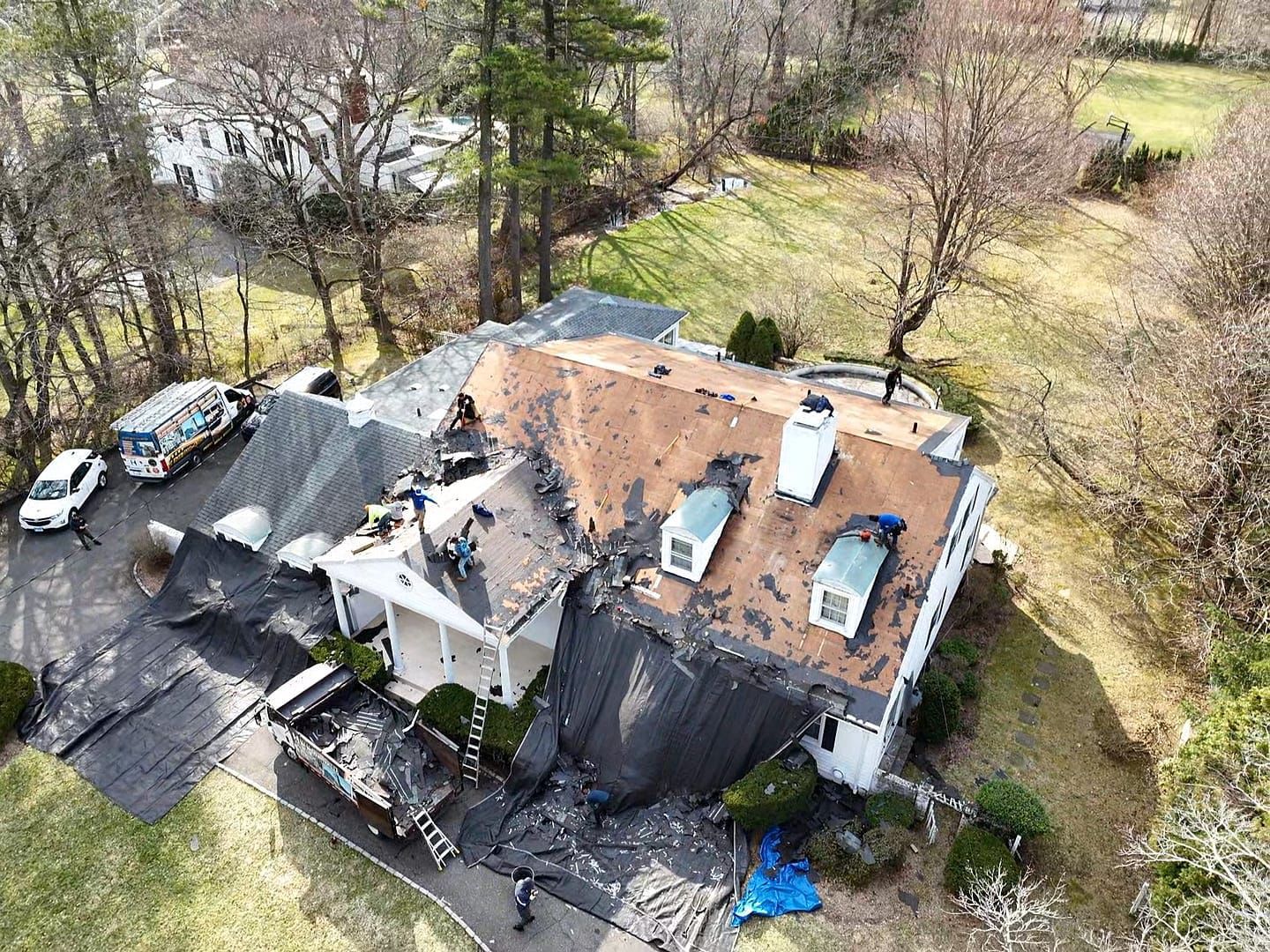
Detecting a roof leak requires a keen eye and some basic knowledge. You need to know what signs to look for. Water stains, mold, and dampness are common indicators.
Various methods and tools can help in finding leaks. From visual inspections to advanced moisture detection tools, each has its place. Understanding these methods is crucial.
Flat roofs and commercial buildings present unique challenges. They often require specialized techniques and equipment. Knowing when to call a professional is also important.
This guide will walk you through the process. You’ll learn how to find a roof leak and prevent future issues. Protect your property by staying informed and proactive.
Why Roof Leak Detection Matters
Identifying roof leaks promptly is crucial for homeowners. Undetected leaks can lead to severe water damage. This not only affects your home’s structure but also your belongings inside.
Roof leaks can impact your living environment in several ways. They may cause mold growth, which poses health risks. Moreover, constant dampness can degrade insulation and wood.
A vigilant approach to roof leak detection offers multiple benefits:
- Protects your investment
- Extends roof lifespan
- Prevents costly repairs
Prioritizing leak detection also helps maintain your home’s energy efficiency. A well-maintained roof prevents unwanted heat loss. This reduces energy bills and enhances comfort. Being proactive in roof leak detection ultimately preserves your property’s value.
Common Roof Leak Signs to Watch For
Spotting the early signs of a roof leak can save you time and money. One of the primary indicators is water stains on ceilings. These brown patches are often circular and can vary in size.
Another common sign is the presence of mold or mildew. Mold may form in areas with persistent dampness. Keep an eye on walls, ceilings, and around windows for growth.
In addition, peeling paint or wallpaper can signal a leak. Moisture can cause wall coverings to loosen and curl. This deterioration is often accompanied by a musty smell.
Here is a checklist of common signs to monitor:
- Water stains on ceilings
- Mold or mildew growth
- Peeling paint or wallpaper
- Damp patches on walls

Early detection of these signs helps prevent major damage. Addressing these issues as soon as they arise minimizes long-term impacts. Regular checks will ensure your home remains dry and healthy.
Essential Roof Leak Detection Methods
Finding the source of a roof leak can be challenging. However, a systematic approach can streamline the process. Begin by visually inspecting the roof from the ground. Look for missing or damaged shingles.
Next, focus on the attic. Use a flashlight to examine the underside of the roof decking for water stains. Water trails often lead directly to the source of the leak.
Be sure to check around roof penetrations such as chimneys, vents, and skylights. These areas are common culprits for leaks. Ensure that the flashing is secure and intact.
Flat roofs require a different approach. Use a hose to simulate rainfall on suspected leak areas. This method can help identify leaks hidden below the surface.
To effectively cover all bases, consider the following methods:
- Visual inspection from the ground
- Checking attic for water stains
- Examining flashing around penetrations
- Using a hose on flat roofs
These detection methods can pinpoint leakage origins with precision. A thorough inspection should leave no area unchecked. Ultimately, consistent vigilance will keep your roof in top condition.
Step-by-Step Roof Inspection Guide
A thorough roof inspection is key to spotting leaks early. Begin by checking inside your home. Look for signs such as water stains on ceilings or damp walls. These could indicate a roof leak.
Proceed to inspect the attic. Use a flashlight to highlight any signs of moisture. Wet insulation or wooden joists with discoloration often reveal hidden leaks.
Next, move to the exterior. Start at the gutters and downspouts. Clogged gutters can back up water, causing leaks. Ensure they are clean and debris-free.
Examine the roof surface for damaged shingles. Cracked, missing, or curled shingles are potential leak sources. Pay attention to roof valleys, where water collects naturally.
Don’t forget to scrutinize roof flashing, particularly around chimneys and vents. Damaged or misaligned flashing is a common entry point for water. Ensure it sits flush and is sealed.
Use a checklist to organize your inspection. Consider these steps:
- Check indoors for water damage
- Inspect attic for moisture
- Examine gutters
- Review roof shingles
- Assess flashing integrity
Following this guide routinely can extend your roof’s lifespan. Regular checks help prevent minor issues from becoming significant problems. A proactive approach ensures your home remains leak-free.
Using Moisture Detection Tools
Moisture detection tools can pinpoint hard-to-find leaks. They are invaluable for accurate leak detection. These tools can save time and prevent guesswork.
Infrared cameras are popular moisture detection tools. They detect temperature differences caused by moisture. This helps locate leaks hidden behind walls or ceilings.
Another effective tool is the moisture meter. It measures the moisture content in materials like wood or drywall. This can confirm the presence of a leak before extensive damage occurs.
Using these tools, focus on:
- Analyzing temperature differences with infrared cameras
- Measuring moisture content with a moisture meter
- Identifying hidden leaks effectively
Employing moisture detection tools ensures a precise approach to roof inspection. They offer a non-invasive method to identify leaks. As a result, you can prioritize repair efforts efficiently.
Flat Roof Leak Detection Tips
Flat roofs are prone to unique challenges. They often suffer from drainage issues. These issues can lead to leaks if not addressed.
Regular inspections are vital for flat roofs. Check for signs of ponding water. This indicates poor drainage and potential leak risks.
Pay attention to the roof membrane. Look for blisters, cracks, or punctures. These can be entry points for water.
Flat roof leak detection involves:
- Checking for water ponding
- Inspecting membrane for damage
- Ensuring effective drainage
Maintaining flat roofs requires consistent effort. Promptly addressing signs of wear can prevent leaks. Proactive maintenance saves time and money in the long run.
Commercial Roof Leak Detection Strategies
Detecting leaks in commercial roofs can be complex. These roofs cover large areas, needing specialized approaches. Professional help is often recommended for accuracy.
Tools like thermal imaging can identify hidden leaks. They detect temperature differences caused by moisture. This technology helps pinpoint leak locations that are hard to spot.
For effective commercial roof leak detection, consider:
- Utilizing thermal imaging
- Conducting regular professional inspections
- Coordinating with maintenance teams
Coordinated efforts can make a significant difference. Addressing leaks quickly prevents extensive water damage. Investing in the right tools and expertise is crucial for maintaining commercial roofs efficiently.
Leak Repair Solutions: DIY and Professional Options
Once a roof leak is detected, swift action is crucial. Homeowners can choose between DIY fixes and hiring professionals, depending on the leak’s severity and their expertise.
For minor leaks, DIY solutions can be effective. Use roofing cement or patches for small holes. Ensure all repairs are weather-resistant and durable to withstand future storms.

When facing extensive damage, professional help is advisable. Roofers have the tools and experience to tackle complex issues. They can provide a comprehensive assessment and durable repair solutions.
Here are some repair options to consider:
- DIY: Patch small holes and use sealant.
- Professional: Replace damaged shingles or flashing.
- Specialized repair: Use moisture barriers for added protection.
Choosing the right solution depends on multiple factors. Consider the leak’s complexity, personal skill level, and available tools. Proper repairs extend roof lifespan and prevent further water damage. Professional solutions, although costlier, ensure peace of mind and long-term protection.
Water Damage Prevention and Maintenance Tips
Preventing water damage starts with regular roof care. Consistent inspections can uncover potential issues before they escalate. Keeping a maintenance routine helps in prolonging your roof’s life.
Routine tasks such as cleaning the gutters and removing debris from the roof surface are vital. Such efforts prevent water from pooling, which could lead to leaks and structural damage. Checking roof valleys for debris is also essential to ensure proper drainage.
Here are some maintenance tips to follow:
- Inspect for missing or curled shingles.
- Examine flashing around chimneys and vents.
- Check attic ventilation to avoid moisture build-up.
Adopting these measures minimizes the risk of unexpected leaks. With preventive maintenance, you not only protect your roof but also enhance your home’s overall resilience against water damage. Regular upkeep ensures that small issues don’t grow into costly repairs.
When to Call a Professional Roofer
Sometimes, roof issues are too complex for DIY fixes. In such cases, it’s wise to seek professional help. A skilled roofer can efficiently handle repairs that need specific expertise.
Consider hiring a professional when:
- There are multiple leaks or significant damage.
- You have a flat or commercial roof needing specialized tools.
- You cannot safely access the problem area.
Professional roofers bring experience and proper equipment. They ensure the job is done correctly, providing peace of mind and safeguarding your property. Don’t hesitate to call one when the problem outgrows your capabilities.
Conclusion: Protect Your Property from Roof Leaks
Identifying and addressing roof leaks is crucial to maintaining your property’s structural integrity. Prompt detection of leaks helps prevent extensive damage and costly repairs. Regular roof inspections and proactive maintenance can significantly reduce the risk of leaks.
Stay vigilant for signs of water damage and act swiftly to mitigate potential issues. Adopting a systematic approach to inspections and repairs will ensure your roof remains in top condition. Keep a checklist handy for consistent evaluations.
By taking preventive actions and seeking professional roofer help when necessary, you can safeguard your home or business. This not only protects the building but also preserves its value and safety.