How Many Shingles In A Bundle Of Roofing Shingles
Roofing projects can be daunting, especially when it comes to estimating materials. Understanding how many shingles are in a bundle is crucial.
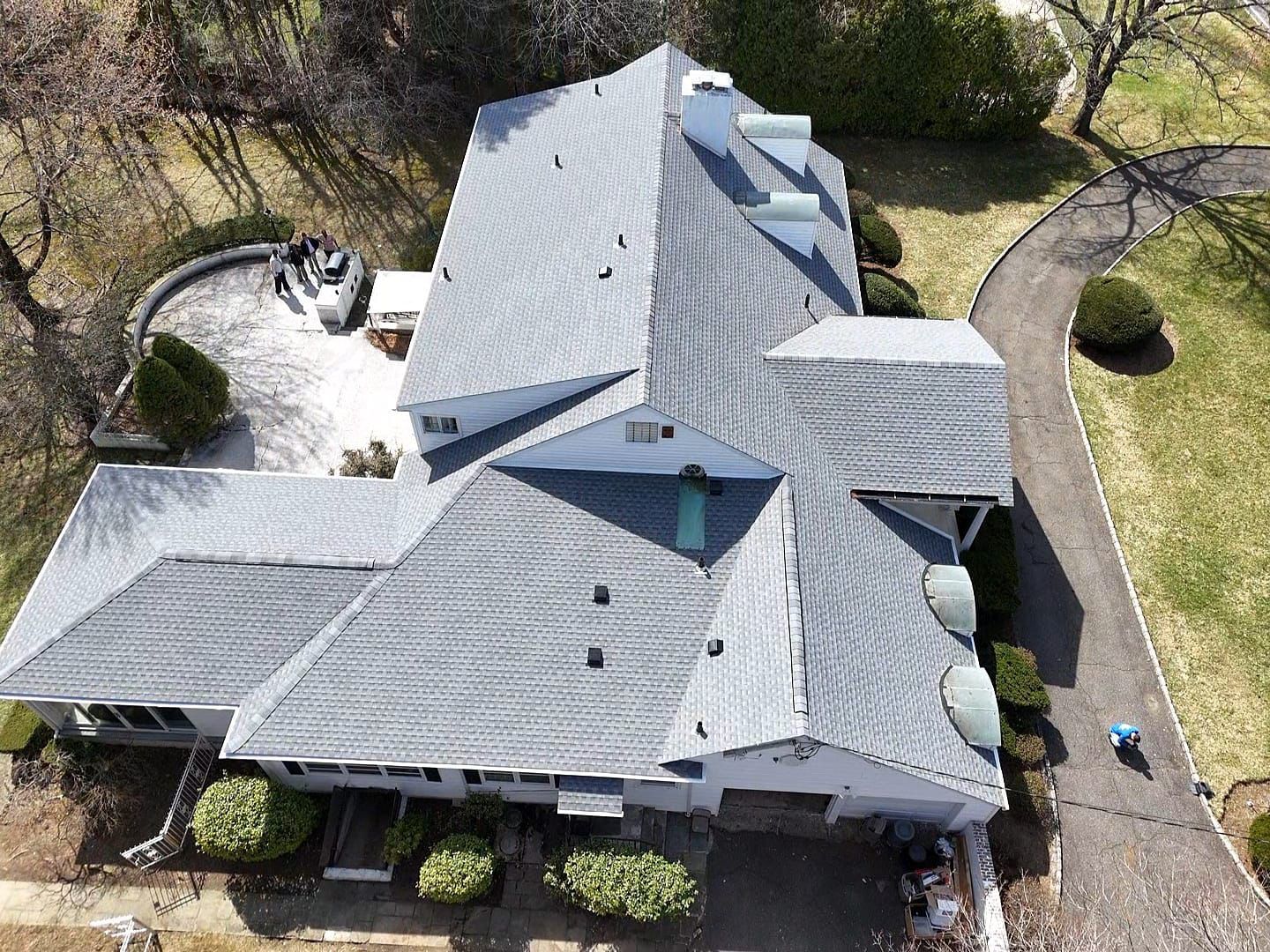
This knowledge helps in planning and budgeting for your roofing project. Shingles are packaged in bundles for easy handling and transport.
The number of shingles per bundle varies by type and brand. Asphalt shingles, for example, are the most common and typically contain 21 to 29 shingles per bundle.
Architectural shingles, due to their thickness, may have fewer shingles per bundle. Knowing the bundle count helps in calculating the total number of bundles needed.
A standard roofing square covers 100 square feet, usually requiring three bundles of shingles. Factors like shingle size, thickness, and material affect the bundle count.
Using a shingle bundle calculator can simplify the estimation process. It’s also wise to account for waste and extra shingles for repairs.
This guide will provide a comprehensive understanding of shingle bundles, helping you make informed decisions for your roofing project.
What Is a Bundle of Roofing Shingles?
A bundle of roofing shingles is a carefully packaged collection designed to simplify roofing projects. It allows for easier transport, storage, and use during installation. Roofing shingles are sold in bundles to provide convenience and protection.
Bundles are generally wrapped tightly to safeguard the shingles from weather conditions and damage. The packaging ensures that the shingles maintain their shape and integrity until they are ready for use.
Each bundle is designed to cover a portion of the roof, typically about 33.3 square feet. The number of shingles in a bundle varies based on their type, weight, and size.
Common characteristics of shingle bundles include:
- Wrapped for protection against the elements.
- Typically contains 21 to 29 shingles, depending on type.
- Designed to cover approximately 33.3 square feet.
Understanding what constitutes a shingle bundle can streamline your planning and installation process. Proper handling ensures longevity of the shingles, reducing waste during a roofing project.
Why Are Shingles Packaged in Bundles?
Shingles are packaged in bundles to enhance convenience and protect their integrity. Each bundle is sized to be easily managed and carried by one person.
The packaging system supports transportation, storage, and precise measurement. Bundles help calculate the number of shingles needed without excessive waste.
Key reasons shingles are bundled include:
- Simplifies transport and handling.
- Minimizes weather impact on shingles.
- Provides a manageable count for roofing calculations.
Bundling shingles also optimizes the manufacturing and distribution process, ensuring consistency across different roofing projects. This efficiency is vital for both professionals and DIY enthusiasts.
Types of Roofing Shingles and Their Bundle Counts
Understanding the types of roofing shingles available can significantly impact your project. Each type varies in design, durability, and bundle count. Choosing the right shingles ensures your roof achieves both aesthetic and functional goals.
Here are some common types with their typical bundle counts:
- 3-Tab Shingles: The classic choice with about 26-29 shingles per bundle.
- Architectural Shingles: Thicker and more layered, usually with fewer shingles per bundle, around 21-24.
- Luxury and Specialty Shingles: Varied counts due to their unique designs and features.
Asphalt shingles are the most common choice, and their variety offers something for every budget. Each type offers distinct advantages regarding weather resistance, longevity, and visual appeal. Selecting the right kind can boost your home’s curb appeal while providing adequate protection.

Different manufacturers may alter the number per bundle. This variance can affect the calculation for how many shingles in a bundle of roofing shingles. Always check the packaging for specifics to plan accurately.
3-Tab Shingles
3-tab shingles are among the most prevalent types of roofing materials. They are affordable, lightweight, and often the first choice for budget-conscious homeowners.
These shingles usually come in bundles of 26 to 29, depending on brand and thickness. They are designed to cover approximately 33.3 square feet per bundle. Commonly, three bundles are needed to cover one roofing square.
Advantages of 3-tab shingles include:
- Cost-effectiveness
- Easy installation
- Broad availability
However, they may not last as long as other types. Despite this, their initial cost savings make them an attractive option for many.
Architectural Shingles
Architectural shingles, also known as dimensional or laminate shingles, add depth and style to your roof. They mimic the look of more expensive materials like wood or slate.
Typically, these shingles come in bundles with 21 to 24 shingles, depending on their brand and specific design. They cover slightly less area per bundle than 3-tab shingles.
Notable features of architectural shingles:
- Enhanced aesthetic appeal
- Greater durability
- Longer lifespan than 3-tab shingles
They are heavier and more robust than 3-tab shingles, providing better wind resistance and longer warranties. Their added durability and style make them a preferred choice for many roofing projects.
Luxury, Specialty, and Other Shingle Types
Luxury shingles stand out for their high-quality materials and unique designs. These shingles often mimic the appearance of natural roofing materials, such as cedar shake or slate. They are ideal for homeowners desiring premium aesthetics.
The bundle count for luxury shingles varies widely, given their unique shapes and heavier materials. Typically, these bundles contain fewer shingles but are designed to cover a substantial area.
Pros of luxury and specialty shingles:
- Superior aesthetic options
- Exceptional durability
- Potential for increased home value
However, these shingles come at a higher cost, both for materials and installation. For an impressive visual impact and lasting roof, consider investing in luxury shingles.
Each roofing project is unique, requiring careful consideration of shingle type and bundle count to meet specific needs.
How Many Shingles Are in a Bundle? (By Type and Brand)
The number of shingles in a bundle can vary significantly depending on the type and brand. Different manufacturers produce shingles tailored to specific needs, affecting the bundle count. Knowing the type of shingles you’re dealing with helps ensure you purchase the correct amount.
Asphalt Shingles
For standard asphalt shingles, expect around 21-29 shingles per bundle. This range is common for popular brands like CertainTeed or Owens Corning. These shingles are preferred for their balance between price and performance.
Architectural Shingles
Architectural shingles usually have fewer pieces per bundle, around 21-24 shingles. Brands like GAF Timberline tend to offer these robust bundles. They offer added weight and durability, requiring slightly fewer shingles per bundle than simpler styles.
Other Considerations
- Luxury Shingles: May contain even fewer pieces per bundle due to their size and design.
- Weight Implications: Heavier types often mean fewer shingles per bundle.
Each shingle type and brand combination brings different characteristics to your roofing project. Understanding these variations aids in cost estimation and material purchasing decisions.
Accurate information about how many shingles come in a bundle is crucial for planning any roofing project effectively.
How Much Area Does a Bundle of Shingles Cover?
A single bundle of roofing shingles generally covers about 33.3 square feet. This measurement is standard across many types and brands, allowing for easier project calculations.
Different shingles may affect this coverage slightly. Architectural shingles, due to their thickness and weight, may cover less area per bundle. This variance highlights the importance of verifying the specific coverage details with the manufacturer.
Typically, to cover a standard roofing square (100 square feet), you’ll need about three bundles of shingles. This estimate helps prepare for buying the necessary amount of materials without falling short during installation.
- Standard Coverage: Around 33.3 square feet per bundle
- Area Needs: Approximately three bundles per 100 square feet
Accurate calculations ensure a smooth roofing project, reducing waste and unexpected material shortages.
Factors That Affect Shingle Bundle Count
Several elements influence how many shingles come in a bundle. The size and material of the shingles are primary factors. Bigger shingles or those made from heavier materials often result in fewer shingles per bundle.
Thickness also plays a critical role. Thicker shingles provide greater durability but tend to reduce the overall count per bundle. This detail is important for planning and budgeting purposes.
Other considerations include the manufacturer and design style, such as 3-tab or architectural variations. These differences may lead to notable variations in bundle counts. Understanding these factors can significantly affect how you prepare for your roofing project.
- Shingle Size and Material
- Shingle Thickness
- Design Style
- Manufacturer Specifications
Being aware of these factors helps ensure that you purchase the correct quantity of shingles, avoiding shortages and potential delays in your project.
How to Calculate the Number of Shingle Bundles Needed
Accurately estimating the number of shingle bundles you need is crucial for a smooth roofing project. Begin by measuring the total roof area, which provides the base for your calculations. Most professionals use square feet as the unit of measure.
Remember, a standard roofing square covers 100 square feet. Thus, if your roof measures 1,000 square feet, you’ll need around ten roofing squares. Each square typically requires about three bundles of shingles.
Don’t forget to account for waste and future repairs. Roofing projects usually have a waste factor, generally around 10%. Including this buffer ensures you don’t run short and can match the shingle color and style in case of damage.
Here’s a quick list of steps:
- Measure total roof area.
- Convert to roofing squares.
- Add waste factor.
Understanding these essentials lays the foundation for precise planning. Balancing budget with efficiency becomes much easier when you have the right figures.
Step-by-Step Shingle Bundle Calculator
Using a shingle bundle calculator can simplify your planning. Online calculators expedite the process by allowing you to input data, such as roof dimensions and type of shingles.
Following a straightforward method leads to accurate results. First, input the length and width of each roof section. The calculator considers these numbers for a tailored output based on your specific roof configuration.
Next, choose your shingle type. Different types have varying bundle counts, affecting your calculations. This crucial step offers precise guidance on bundle purchases.
Here’s a checklist for using a shingle bundle calculator:
- Enter roof dimensions.
- Select shingle type.
- Review total bundle estimate.
Investing a little time in calculating now can save unnecessary trips to the store later. This ensures you have the correct number of bundles ready for seamless installation.
Accounting for Waste, Roof Pitch, and Complexity
When planning a roofing project, it’s important to account for waste. This typically includes excess shingles for mistakes or repairs. Expect a waste factor of about 10% to ensure you’re prepared for any eventuality.
Next, consider the roof pitch. Steeper roofs often require more shingles due to their angle and complexity. They can also increase the risk of material loss during installation, so account for extra material.
Finally, roof complexity plays a role. Unique designs or multiple facets might need additional shingles. These factors can increase the total number of bundles, preventing costly mid-project delays.
Here’s a checklist for ensuring you have enough shingles:
- Calculate waste factor.
- Consider roof pitch.
- Factor in roof complexity.
Keeping these elements in mind will help you avoid shortfalls and streamline your roofing process.
Cost, Weight, and Storage of Shingle Bundles
The cost of shingle bundles can vary widely. Factors such as quality, brand, and your location affect prices. Therefore, budgeting for premium options helps avoid unexpected expenses.
Shingle bundles are quite heavy. They can weigh between 50 and 80 pounds. So, handling and transportation need careful planning to avoid injuries or damage.
Proper storage is essential to maintain shingle quality. Store bundles in a dry place, away from direct sunlight and moisture. This ensures that they remain intact and undamaged until you’re ready to use them.
Here’s a brief checklist for shingle bundle considerations:
- Check bundle prices.
- Plan for transport and lifting.
- Store correctly to maintain quality.
Tips for Buying and Using Roofing Shingles
Buying roofing shingles can be a complex task. Consider your budget, climate, and home’s architectural style when choosing. Opt for durable shingles to ensure long-term protection against environmental elements.
Using shingles requires a keen eye for detail. Proper installation is key to achieving the best results. Follow manufacturer guidelines meticulously and account for extras like waste and repairs.
Here’s a quick list of tips for buyers:
- Match shingles to your roof’s style.
- Check for warranties and guarantees.
- Plan for installation during ideal weather conditions.
Frequently Asked Questions About Shingle Bundles
Understanding shingle bundles can lead to many questions. Homeowners often ask about the average number of shingles per bundle. This number varies with shingle type and brand.
Another common question concerns coverage. Typically, a bundle covers about 33.3 square feet. However, architectural and specialty shingles might cover less due to their size and weight.
Here are common FAQs to consider:
- How many shingles are in a bundle?
- What area does a typical bundle cover?
- Why does the bundle count vary by type?
These FAQs can assist in navigating your roofing project smoothly.
Conclusion: Choosing the Right Shingle Bundle for Your Project
Selecting the ideal shingle bundle is crucial for a successful roofing project. Consider the type, climate, and design to ensure durability and aesthetic appeal.
Evaluate factors such as cost, material, and bundle count. An informed decision aligns with your project’s requirements and enhances your home’s value. Consulting with a roofing expert can offer valuable insights for the best choice.