Benefits of Commercial Skylight Installation in NY
Natural daylight can transform the appearance and functionality of a commercial building. From offices and retail stores to warehouses, schools, and hospitality properties, well-planned skylights can make interior spaces brighter, more welcoming, and more comfortable for the people who use them.
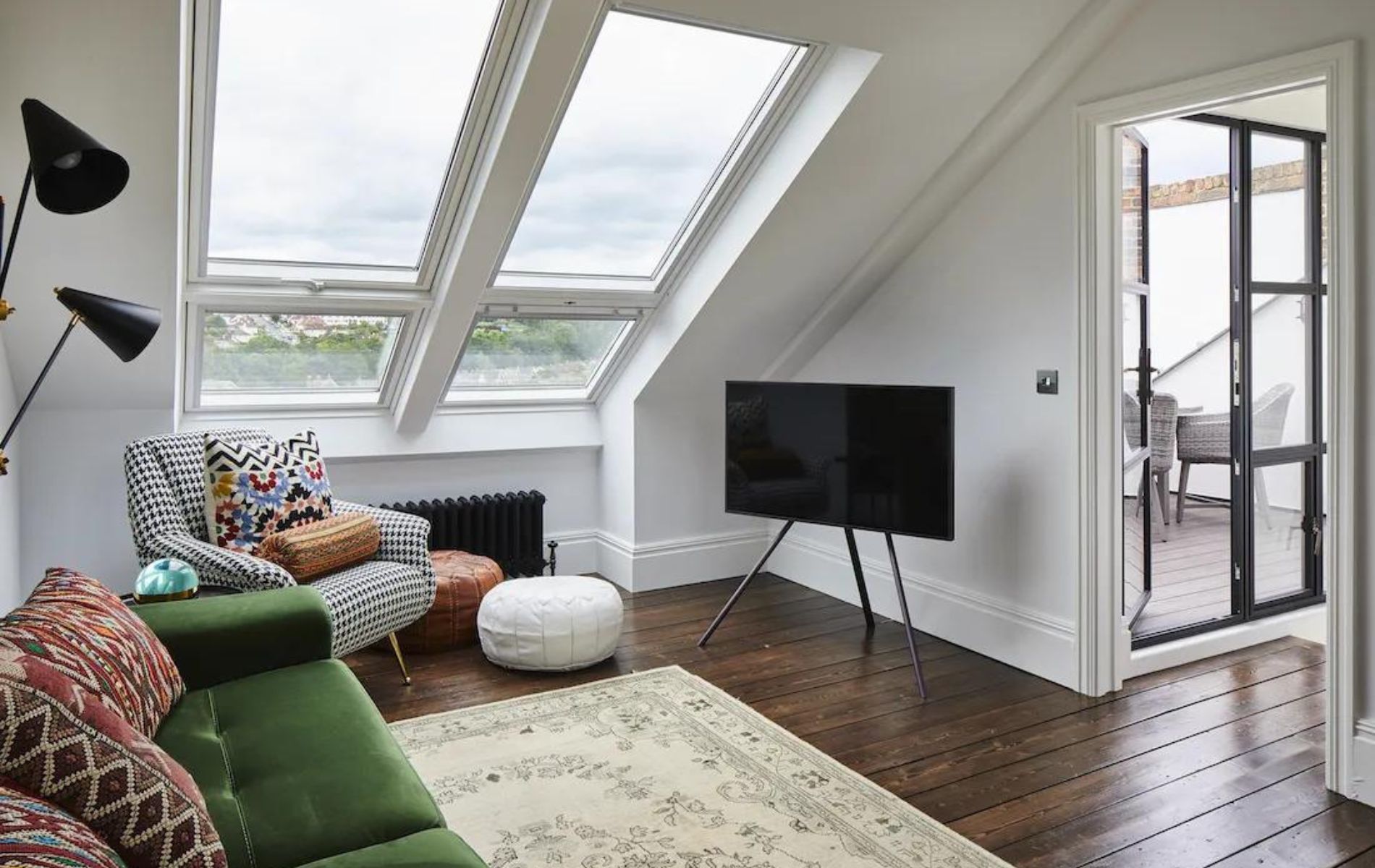
For commercial property owners in New York, skylight installation is also a roofing project that requires careful planning. The building’s roof type, structural condition, drainage system, insulation, and weather exposure all influence which skylight solution is appropriate.
Professional commercial skylight installation can help businesses introduce natural light while maintaining the weather protection and performance of the existing roof.
RH Renovation NYC provides skylight installation, repair, and replacement as part of its broader roofing and exterior renovation services. Based in the Bronx, our licensed and insured team works with property owners who need professional roofing and skylight solutions in New York.
Whether you are planning a new daylighting feature, replacing an aging skylight, or addressing leaks around an existing roof opening, understanding the benefits and installation requirements can help you make a more informed decision.
Why Consider Commercial Skylight Installation?
Commercial skylights are more than architectural features. When selected and installed correctly, they can improve how a building uses natural light and how people experience its interior spaces.
For buildings with limited exterior windows, roof-based daylighting can be particularly useful.
Here are some of the main benefits commercial property owners may consider.
1. Bring More Natural Light Into Commercial Spaces
One of the most noticeable benefits of skylights is their ability to introduce daylight from above.
In large commercial buildings, interior areas may be far from exterior windows. Corridors, stairwells, warehouses, showrooms, and central office spaces can sometimes feel dark even during daylight hours.
Strategically positioned skylights can help distribute natural light into these areas, making them feel brighter and more open.
The amount of daylight depends on skylight size, placement, glazing, roof orientation, surrounding structures, and the building’s interior layout.
2. Reduce Dependence on Artificial Lighting
Natural daylight may reduce the need to use electric lighting during certain daytime hours.
For example, a warehouse or commercial workspace with suitable skylight placement may receive enough daylight in selected areas to reduce artificial lighting requirements.
However, the actual energy impact depends on several factors, including:
- The number and size of skylights.
- Glazing performance and visible light transmission.
- Building orientation and surrounding obstructions.
- Existing lighting systems and controls.
- Seasonal daylight availability.
- Heating and cooling requirements.
Skylights do not automatically guarantee lower energy bills. A properly designed daylighting solution should balance natural light, heat gain, insulation, and the building’s overall energy needs.
3. Create More Comfortable Work Environments
Lighting can influence how employees, customers, tenants, and visitors experience a commercial property.
Dark or enclosed spaces may feel less inviting, while access to natural light can make certain interiors feel more open and pleasant.
In offices, skylights can introduce daylight into shared areas and workspaces. In retail environments, they can improve the atmosphere of showrooms and customer-facing areas.
For property owners planning an interior renovation, skylights may be worth considering as part of a broader improvement project.
4. Improve the Appearance of Commercial Properties
A skylight can add a distinctive architectural feature to a building.
Modern commercial skylights are available in different shapes, sizes, glazing configurations, and designs. The appropriate choice depends on the building’s architecture, roof structure, and intended use.
Skylights can complement:
- Office buildings and corporate spaces.
- Retail stores and showrooms.
- Restaurants and hospitality properties.
- Warehouses and industrial facilities.
- Apartment and mixed-use buildings.
- Schools and community facilities.
- Lobbies, corridors, and shared interior spaces.
A carefully planned installation can improve the appearance of an interior without compromising the roof’s essential protective function.
5. Support Better Use of Interior Space
Some commercial buildings have interior areas that receive little natural light through conventional windows.
Skylights can help make these spaces more usable by introducing daylight from the roof.
This may be beneficial for central corridors, stairwells, reception areas, large open-plan interiors, and selected production or storage spaces.
The best results come from considering skylight placement during the building’s renovation or improvement planning rather than treating it as an isolated roofing addition.
Commercial Skylight Options for Different Buildings
Not every commercial property needs the same type of skylight. The right product depends on the roof configuration, interior requirements, available installation space, and maintenance expectations.
Common options include the following.
Fixed Commercial Skylights
Fixed skylights are designed to provide natural light without opening for ventilation.
They may be suitable for offices, corridors, lobbies, retail interiors, and other spaces where daylight is the main objective.
Because they do not have an opening mechanism, their design is generally simpler than that of operable units. However, proper glazing, flashing, sealing, and drainage remain essential.
Venting Commercial Skylights
Venting skylights can open to allow air movement through the building.
Depending on the building’s ventilation design, they may help support natural ventilation in suitable spaces.
Before selecting an operable skylight, property owners should consider accessibility, controls, weather protection, safety requirements, and maintenance needs.
Dome Skylights
Dome skylights use a raised, curved glazing design and may be suitable for certain commercial roof applications.
Their shape and material options can vary, so product selection should account for the roof system, expected weather exposure, insulation requirements, and intended performance.
Curb-Mounted Skylights
Curb-mounted skylights are installed over a raised frame or curb around the roof opening.
The curb creates a transition between the roof surface and the skylight unit. Its height, construction, insulation, flashing, and waterproofing details must be appropriate for the roof design.
This type of installation requires careful coordination with the surrounding roofing materials.
Important Considerations for Commercial Skylight Installation in New York
Commercial buildings in New York face changing weather conditions, dense urban surroundings, and a wide variety of roof designs.
A skylight installation that works for one property may not be suitable for another. Before choosing a product or creating a roof opening, several factors should be evaluated.
Existing Roof Condition
The condition of the existing roof should be assessed before installation.
A roof with active leaks, deteriorated materials, damaged flashing, or drainage problems may need attention before a new skylight is installed.
Installing a skylight without addressing existing roof issues can create additional maintenance problems.
Flat and Low-Slope Roof Requirements
Many commercial properties use flat or low-slope roofing systems.
These roofs require careful water management because rainwater drains differently than it does on steep-slope roofs.
Skylight curbs, flashing, membrane transitions, and surrounding drainage details must be coordinated with the existing roofing system.
The installation should not obstruct drainage paths or create areas where water can collect around the skylight.
Structural Suitability
Creating a new skylight opening may require structural evaluation.
The roof framing, opening dimensions, load requirements, and location of existing structural components should be reviewed before work begins.
Property owners should not assume that any part of a commercial roof can accommodate a new opening without modification.
Where necessary, qualified professionals should assess the proposed work and determine whether structural changes or additional approvals are required.
Waterproofing and Flashing
Waterproofing is one of the most important parts of a commercial skylight installation.
The connection between the skylight, curb, flashing, and surrounding roof materials must be properly detailed.
Poor installation can allow water to enter around the opening, potentially damaging roof insulation, ceilings, interior finishes, equipment, and stored inventory.
Professional installation should account for the complete roof penetration rather than focusing only on fitting the skylight unit.
Insulation and Glazing Performance
Skylight glazing affects how much visible light enters the building and how heat moves through the roof opening.
Depending on the building’s requirements, property owners may consider insulated glazing, Low-E coatings, and other product features designed to manage heat transfer.
The right specification depends on the building’s heating and cooling systems, climate exposure, orientation, and daylighting goals.
Rooftop Equipment and Access
Commercial roofs often contain HVAC equipment, vents, pipes, maintenance walkways, and other installations.
The proposed skylight location should account for these features and allow appropriate access for future roof maintenance.
Skylight placement should also avoid creating unnecessary conflicts with drainage routes or other roof components.
Building Codes and Permits
Commercial skylight installation may involve building-code, structural, fire-safety, energy, and permit considerations.
Requirements depend on the building, project scope, location, and type of work.
Before starting a project, property owners should confirm the applicable requirements with the relevant authorities and qualified professionals.
How Professional Skylight Installation Protects Your Commercial Roof
A commercial skylight is part of the roofing system. Its performance depends not only on the product but also on how the roof opening is prepared and protected.
A professional installation process generally involves several important stages.
1. Roof and Site Inspection
The contractor evaluates the existing roof, proposed installation area, and surrounding conditions.
This assessment helps identify visible roof damage, drainage concerns, access limitations, and other issues that could affect the project.
2. Skylight Selection and Project Planning
The appropriate skylight type, size, glazing, and placement are considered based on the building’s intended use.
The contractor should also review how the skylight will connect with the existing roof assembly.
3. Structural and Opening Preparation
If a new opening is required, the roof structure must be evaluated and prepared appropriately.
Any necessary framing or structural modifications should be handled according to the approved project requirements.
4. Skylight Installation
The skylight unit is positioned and secured according to its design and the manufacturer’s installation requirements.
Correct alignment and secure attachment are important for long-term performance.
5. Flashing and Waterproofing
The curb and surrounding roof area must be properly integrated with the roofing materials.
Flashing, membranes, sealants, and other compatible waterproofing components help protect the roof opening from rain and weather exposure.
6. Final Inspection
The completed installation should be checked for proper fit, secure connections, flashing details, and visible drainage concerns.
The surrounding roof area should also be reviewed to identify any installation issues that need correction.
For additional information about RH Renovation’s roofing work, explore our professional roofing services in NYC.
When Should a Commercial Skylight Be Repaired or Replaced?
Not every skylight problem requires a complete replacement. Some issues may be addressed through repairs, while older or extensively damaged units may need to be replaced.
Recognizing the warning signs can help property owners arrange an inspection before moisture affects more of the building.
Common signs of skylight problems include:
- Water stains around the skylight opening.
- Moisture or dripping during rainfall.
- Cracked or damaged glazing.
- Fogging or condensation between glazing layers.
- Deteriorated flashing or sealant.
- Drafts or noticeable temperature changes nearby.
- Visible damage to the surrounding roof materials.
- Repeated leaks despite previous repair work.
The source of a leak should be identified before choosing a repair method. Water may enter through damaged glazing, deteriorated flashing, a roof membrane problem, or another nearby roof component.
If the skylight unit remains in good condition and the problem is limited to a repairable component, repair may be appropriate. If the unit is extensively damaged, outdated, or repeatedly leaking, replacement may provide a more practical long-term solution.
RH Renovation NYC provides skylight repair and replacement services in the Bronx and skylight repair services in Westchester County.
How Much Does Commercial Skylight Installation Cost in NY?
The cost of commercial skylight installation varies depending on the building and the scope of work. A simple replacement on an accessible roof can involve very different requirements from a new multi-skylight installation that requires structural modifications.
Several factors can influence the overall project cost.
Number and size of skylights: Larger units and multiple installations generally require more materials and labor.
Skylight type: Fixed, venting, dome, and other skylight designs can have different product and installation requirements.
Roof type and condition: Flat, low-slope, and steep-slope roofs require different installation approaches. Existing roof damage may also need to be addressed.
Structural modifications: Creating a new roof opening or modifying existing framing can increase project complexity.
Flashing and waterproofing: The required curb, flashing, membrane, and sealing details depend on the roof assembly and skylight design.
Roof accessibility: Building height, access restrictions, equipment needs, and site conditions can affect labor and project planning.
Interior finishing: Some projects may require additional work around the interior opening, including ceiling repairs or finishing.
Permits and code requirements: Applicable approvals and project-specific compliance requirements may also affect the overall scope.
Because commercial buildings differ significantly, an online average may not accurately reflect the cost of your project.
A professional site assessment is the better way to understand the installation requirements and receive a project-specific estimate.
Why Choose RH Renovation NYC for Commercial Skylight Services?
Choosing a contractor for a commercial skylight project requires attention to both the skylight and the roof beneath it.
A properly installed skylight should work with the existing roofing materials, flashing, drainage, and waterproofing details.
RH Renovation NYC is a Bronx-based, licensed and insured construction company providing roofing and skylight services for property owners in New York.
Our approach focuses on understanding the existing roof, identifying project requirements, and recommending suitable solutions for installation, repair, or replacement.
Property owners can work with RH Renovation for:
- Commercial skylight installation and related roof work.
- Skylight repair and replacement.
- Roof inspection and repair.
- Roofing installation and replacement.
- Flashing and waterproofing considerations.
- Project-specific recommendations.
- Free project estimates.
Our roofing experience is particularly relevant for skylight projects because the roof opening and surrounding materials must be integrated properly to help protect the building against water intrusion.
You can also review a completed roof replacement and custom skylight flashing integration project in Morris Park, the Bronx. This residential project demonstrates the importance of coordinating skylight flashing and waterproofing with the surrounding roof system.
For commercial property owners, the same principle applies: the skylight should be planned as part of the complete roofing assembly.
Planning a Commercial Daylighting Project
Before investing in a new skylight system, it helps to define what you want the project to accomplish.
Consider the following questions:
- Which interior areas need more natural light?
- Is the goal to brighten an existing workspace or improve a customer-facing area?
- Would fixed or operable skylights be more appropriate?
- Does the existing roof have suitable conditions for installation?
- Will the project require structural modifications?
- How will the skylights affect heating, cooling, and glare?
- What maintenance will be required after installation?
- Can the work be coordinated with planned roof repairs or replacement?
Answering these questions helps create a clearer project scope and makes it easier to compare suitable skylight options.
For some buildings, installing skylights during a larger roof renovation may allow the contractor to coordinate roof preparation, waterproofing, and flashing work more efficiently.
The best approach depends on the existing roof condition, project schedule, and building requirements.
Skylight Maintenance for Commercial Properties
Even a professionally installed skylight requires periodic inspection.
Commercial roofs are exposed to rain, wind, temperature changes, debris, and other environmental conditions that can affect roof components over time.
Regular maintenance can help identify small problems before they develop into more extensive repairs.
Property owners and facility managers should consider:
- Inspecting skylight glazing for visible cracks or damage.
- Checking flashing and surrounding roof materials.
- Looking for signs of water staining or moisture inside the building.
- Monitoring sealant and connection points for deterioration.
- Keeping roof drainage areas clear where appropriate.
- Checking for debris accumulation around skylight openings.
- Arranging professional inspections after significant damage or recurring leaks.
Any inspection involving roof access should be handled by qualified personnel using appropriate safety procedures.
If a skylight develops a leak, identifying the actual source is important. Replacing sealant without addressing damaged flashing, roofing materials, or drainage problems may not resolve the underlying issue.
Frequently Asked Questions About Commercial Skylight Installation
1. What are the main benefits of commercial skylight installation?
Commercial skylights can introduce natural daylight, improve the appearance of interior spaces, and reduce dependence on artificial lighting in suitable areas. They can also make offices, warehouses, retail stores, and common areas feel brighter and more inviting.
2. Are commercial skylights energy-efficient?
Commercial skylights can support daylighting strategies and may reduce artificial lighting requirements during certain hours. Their overall energy performance depends on glazing, insulation, orientation, installation quality, heat gain, and the building’s heating and cooling systems.
3. Can skylights be installed on flat commercial roofs?
Yes, skylights can be installed on many flat and low-slope commercial roofs. The installation must account for the roof assembly, curb height, flashing, waterproofing, drainage, and structural requirements.
4. How long does commercial skylight installation take?
The installation timeline depends on the number of skylights, roof accessibility, structural requirements, weather conditions, and project complexity. A straightforward replacement may take less time than a new installation requiring structural modifications or extensive roofing work. A contractor can provide a more accurate schedule after assessing the project.
5. How do I know whether a commercial skylight needs repair or replacement?
Water stains, recurring leaks, cracked glazing, fogging, damaged flashing, and visible deterioration can indicate a problem. A professional inspection can help determine whether the issue is repairable or whether replacement is more appropriate.
6. What affects the cost of commercial skylight installation in NY?
The cost depends on skylight size and type, the number of units, roof condition, accessibility, structural modifications, flashing, waterproofing, interior finishing, and applicable permit requirements. A site-specific estimate is the best way to understand the expected cost.
7. Do commercial skylights require regular maintenance?
Yes. Periodic inspections help identify damaged glazing, deteriorated flashing, moisture intrusion, and other issues. Maintenance requirements depend on the skylight design, roof system, and building conditions.
8. Can skylight installation be completed during a commercial roof replacement?
In many cases, skylight installation or replacement can be coordinated with a roof replacement project. This may allow the contractor to plan the roof opening, flashing, waterproofing, and surrounding roofing materials together. The feasibility depends on the roof design and project scope.
9. Does RH Renovation NYC provide commercial skylight services?
RH Renovation NYC provides skylight installation, repair, and replacement as part of its roofing and exterior renovation services. Property owners can contact the team to discuss their project requirements and request an estimate.
Improve Your Commercial Property with Professional Skylight Services
Commercial skylights can make a meaningful difference in how a building looks and functions. They can introduce natural daylight, improve the atmosphere of interior spaces, and support more effective use of selected commercial areas.
However, successful installation requires more than choosing a skylight. The existing roof, structural conditions, drainage, flashing, insulation, and waterproofing all need to be considered.
RH Renovation NYC provides professional skylight and roofing services for property owners seeking installation, repair, or replacement solutions in New York.
Whether you are planning a new commercial daylighting feature or addressing problems with an existing skylight, our team can help you evaluate your options.
Call RH Renovation NYC at (646) 818-4305 or request a free estimate to discuss your commercial skylight project.
Protect your roof while bringing more natural light into your commercial space.